A science gift can turn curiosity into an activity: watching the night sky, examining a rock, recording the weather, or building a simple circuit. The ideas below range from ready-to-use tools to guided projects, with options for different ages and interests.
Science Gifts to Explore, Measure, and Make
1. Gskyer 70mm Beginner Telescope
A First Look at the Night Sky
Gskyer 70mm Beginner Telescope

- 70mm aperture and 400mm focal length for observing the Moon and stars.
- Includes two eyepieces, a 3× Barlow lens, and a finder scope.
- Phone adapter, wireless remote, adjustable tripod, and carry bag are included.
Best For: A beginner astronomy fan with a clear place to observe the sky.
2. FLASHFORGE Adventurer 5M 3D Printer
A Workshop for Big Ideas
FLASHFORGE Adventurer 5M 3D Printer

- 220 × 220 × 220mm print size for models and prototypes.
- Automatic bed leveling and a CoreXY structure are listed features.
- Includes a 280°C direct-drive extruder and app-based progress monitoring.
Best For: A maker interested in prototyping models or engineering projects.
3. DR.ÖTEK Metal Detector
4. Newentor Wireless Weather Station
A Window on Local Weather
Newentor Wireless Weather Station

- Color display shows indoor and outdoor temperature and humidity.
- Tracks daily highs and lows, barometric pressure, forecast, and moon phase.
- Includes a remote sensor and supports up to three sensors.
Best For: A student or homeowner who enjoys tracking local conditions.
5. Skybasic WiFi and USB Digital Microscope
Small-Scale Discovery Kit
Skybasic WiFi and USB Digital Microscope

- Handheld digital microscope connects to phones by WiFi and computers by USB.
- Eight adjustable LED lights and one-button photo or video capture are listed.
- Designed for observing items such as plants, minerals, insects, and fabric.
Best For: A hobbyist who likes examining small everyday objects.
6. HARDELL Rechargeable Digital Caliper
Precision for Projects
HARDELL Rechargeable Digital Caliper

- Measures up to 6 inches and displays inch, millimeter, or fraction units.
- Four modes cover internal, external, depth, and step measurements.
- Backlit screen, USB-C recharging, and auto-off are listed features.
Best For: A maker, engineering student, or tinkerer who measures parts.
7. Varify 4-in-1 Digital Water Tester
A Practical Water Measurement Tool
Varify 4-in-1 Digital Water Tester

- Measures total dissolved solids, electrical conductivity, and temperature.
- Provides digital readings with a backlit LCD and one-button operation.
- Includes batteries, a quick-start guide, and a downloadable TDS guide.
Best For: A curious home, aquarium, or hydroponics enthusiast.
8. Vortex Optics Diamondback 10×50 Binoculars
For Sky and Nature Watching
Vortex Optics Diamondback 10×50 Binoculars
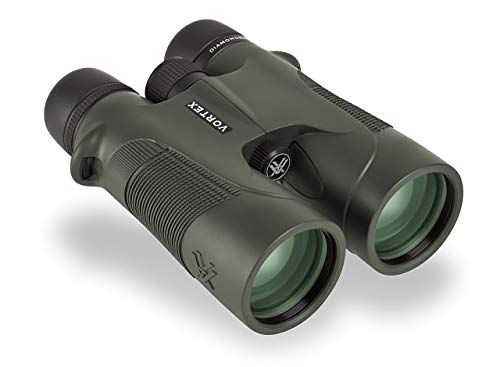
- 10× magnification and 50mm objective lenses are listed.
- Waterproof construction and argon purging are described.
- Includes a neck strap, lens covers, rainguard, and carry case.
Best For: Someone who enjoys both daytime wildlife and night-sky viewing.
9. Sky-Watcher Heritage 150 Dobsonian Telescope
A Tabletop Telescope for Deeper Exploring
Sky-Watcher Heritage 150 Dobsonian Telescope

- 150mm aperture and 750mm focal length are listed.
- Collapsible tube design supports storage and portability.
- Tabletop base has rubber feet; the telescope uses a 1.25-inch focuser.
Best For: A beginner or family ready for backyard telescope observing.
10. Texas Instruments TI-84 Plus CE Calculator
Colorful Support for STEM Study
Texas Instruments TI-84 Plus CE Calculator

- Graphing calculator intended for math and science learning.
- MathPrint displays symbols, formulas, and stacked fractions in textbook style.
- Color graphing and a rechargeable battery are listed features.
Best For: A high school or college student studying math, physics, or engineering.
11. National Geographic Hobby Rock Tumbler Kit
Turn Rough Stones into Polished Gems
National Geographic Hobby Rock Tumbler Kit
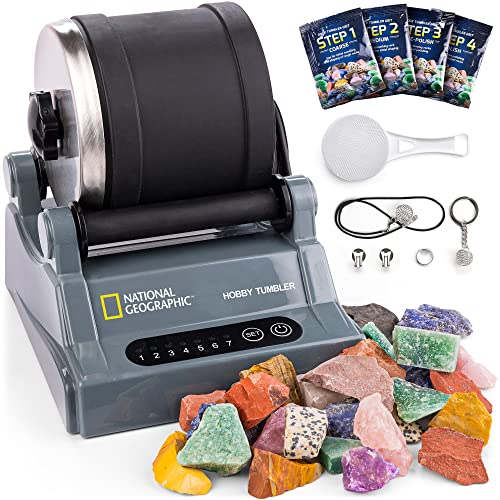
- Kit includes a tumbler, four polishing grits, a sifter, and rough gemstones.
- One-touch timer and automatic shutoff manage tumbling cycles.
- A full-color learning guide is included; listed for ages 8 and up.
Best For: A geology enthusiast or family who enjoys hands-on projects.
12. ELEGOO Mega 2560 Electronics Starter Kit
A Bigger Kit for Building and Coding
ELEGOO Mega 2560 Electronics Starter Kit

- Includes more than 200 components and a Mega 2560 controller board.
- Guided lessons cover sensors, displays, motors, and other electronics projects.
- A solderless breadboard, storage case, and small-parts box are included.
Best For: A teen or adult ready to explore coding and electronics projects.
13. GQ GMC-800 Geiger Counter
A Hands-On Radiation Instrument

- Portable detector is described for beta, gamma, and X-ray radiation.
- Functions include spot readings, monitoring over time, and dosimeter readings.
- Color display, data storage, and visual, audio, vibration, and voice alarms are listed.
Best For: An experienced hobbyist interested in radiation measurement.
14. Steve Spangler’s Super-Cool Science Experiments for Kids
A Book of At-Home Experiments
Steve Spangler's Super-Cool Science Experiments for Kids

- Presents 50 science activities, demonstrations, and projects.
- Step-by-step instructions and full-color photos are included.
- Many activities use materials commonly found at home; reading age is 8–12.
Best For: A curious child or family looking for guided experiments at home.
15. ELEGOO UNO R3 Project Super Starter Kit
A Friendly First Step into Circuits
ELEGOO UNO R3 Project Super Starter Kit

- Includes an UNO R3 controller and components for 22+ guided projects.
- Lessons use LEDs, sensors, motors, displays, and other circuit components.
- Solderless breadboard and pre-soldered LCD support beginner builds.
Best For: A beginner who wants to learn circuits by building and coding.
Choosing a Science Gift for the Recipient
Start with what the person already likes doing. A stargazer may get more use from a telescope or binoculars, while someone who likes collecting rocks may enjoy the tumbler kit. For a child or family that prefers activities with instructions, the experiment book offers a collection of projects that can often use common household materials. Students who like to understand how things work may prefer an electronics kit, where a lesson can lead to a customized build.
Consider the setting as much as the subject. Telescopes need a stable surface and a view of the sky; the larger tabletop Dobsonian needs a table or similarly steady support. Binoculars are easier to bring along for both nature watching and casual sky viewing. A microscope, weather station, water tester, or caliper can fit into home projects without requiring a special outdoor location. A 3D printer and electronics kits invite ongoing projects, so think about whether the recipient has room and time to use them.
Matching the Gift to Your Budget
The list includes books, handheld tools, observation equipment, and larger maker gear, so budget depends on the type of experience you want to give. A book can offer many separate activities, while a measuring tool or water tester supports repeated small investigations. Optical equipment and a 3D printer are more substantial gifts with a more specific role. Compare what is included: the rock tumbler comes with stones and polishing grits, and the Arduino kits include components and guided lessons. Those included materials can help a recipient begin exploring without assembling a project list first.
For a shared family gift, consider whether several people can participate. Observing the Moon, recording weather, polishing stones, or following a book experiment can create a natural group activity. For a student with a particular class or project, a graphing calculator or precision caliper may be more directly useful. A gift that fits a current interest is often more engaging than one chosen only for its technical appearance.
Check Compatibility and Personalization
Before choosing a digital or building tool, check what the recipient already uses. The handheld microscope connects with phones over WiFi and with Windows or Mac computers by USB, so confirm that their device setup is suitable. The graphing calculator may be useful for schoolwork, but it is sensible to check class or exam requirements if it will serve a specific course. Arduino project kits use a computer for coding and offer different boards and project collections; choose based on the recipient’s experience and desired project scale.
Personalize the gift around a first activity. Pair a telescope with a plan to look at the Moon, or give the weather station with a simple observation log. With the rock tumbler, the first project can be sorting stones by color and shape before a polishing cycle. An electronics kit can start with a basic LED lesson before moving toward sensors or motors. These small plans help turn equipment into an experience without adding another product to the gift.
Timing and Last-Minute Decisions
For a Christmas gift that needs setup or learning time, consider whether the recipient can get started during the holiday break. Books and compact measuring tools are straightforward choices when there is little time to prepare. Telescope viewing depends on weather and a suitable observing spot, while rock tumbling and 3D printing are project processes that take more than a single sitting. Electronics projects also benefit from unhurried time to follow instructions and learn from each build.
If choosing close to Christmas, focus on the recipient’s immediate access: their device compatibility, a suitable place to use the item, and whether they want a guided activity or an open-ended tool. Avoid promising a particular delivery date; check current listing information before ordering. A thoughtful note suggesting the first observation, measurement, or build can make even an ordinary quality science tool feel personal and ready for discovery.