Cold water can quickly turn swimming lessons, beach days, and water sports into an uncomfortable experience for children. The right suit helps retain body heat while allowing enough flexibility for active movement.
We selected 10 children’s full-body wetsuits in different thicknesses, fits, and price ranges so you can match protection and comfort to your child’s activity, water temperature, and experience level.
Best 10 Drysuits for Children Picks for 2026
Entry-Level Pick
O'Neill Youth Reactor-2 3/2mm Wetsuit

- Stretchy 3mm neoprene supports mobility
- Back zip simplifies dressing
- Designed for varied water activities
Best For: Youth surfing, diving, paddle sports, and beach days
Sun-Protection Pick
REALON Kids 3mm Thermal Fullsuit

- 3mm neoprene suits cool-water activities
- UPF 50+ full-body coverage
- Kid-sized back-zip pull cord
Best For: Lessons, beach trips, and family water sports
Visibility Pick
Hevto Kids 3/2mm Guard Wetsuit

- 3/2mm neoprene balances warmth and movement
- Back zip supports flexible wear
- Blue detailing improves visual recognition
Best For: Swimming, snorkeling, paddleboarding, and kayaking
Flexible Full-Body Pick

- 3mm neoprene for cool-water insulation
- Full-body coverage for UV and abrasion protection
- Back zip makes dressing easier
Best For: Versatile swimming and water sports
Best for Everyday Use

- 2.5mm SCR neoprene insulation
- UPF 50+ sun protection
- Long front zipper for quick changes
Best For: Youth water sports in sunny conditions
Beginner-Friendly Option

- 2.5mm neoprene for cool-water warmth
- Back zip with extended pull cord
- Flatlock seams help reduce chafing
Best For: Swimming lessons and beginner water play
Flexible Cold-Water Coverage
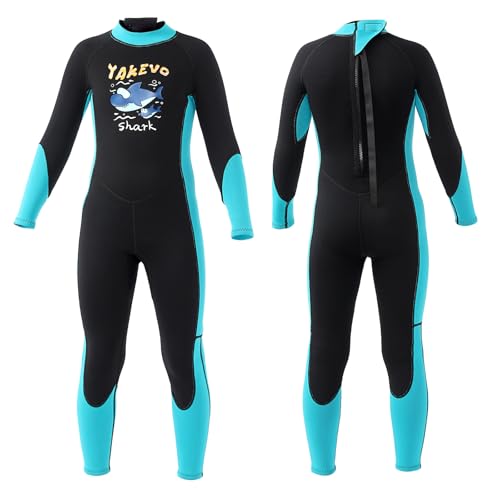
- 3mm neoprene insulation
- Full UV and body coverage
- Extended-pull back zipper
Best For: Swimming, snorkeling, kayaking, and other cool-water activities
Easy-Layer Thermal Pick
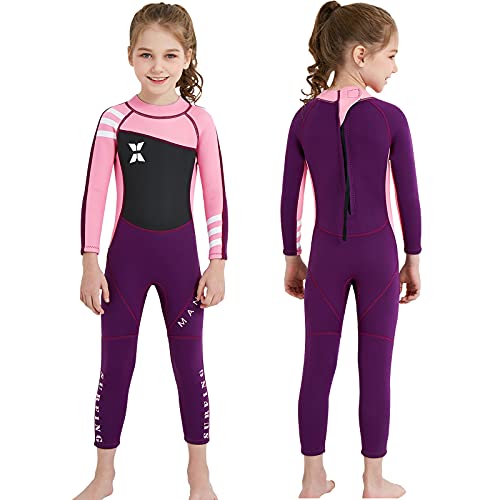
- Soft 2.5mm neoprene blend
- Flatlock seams for comfort
- YKK zipper with long leash
Best For: Swim lessons and toddler water activities
Entry-Level Pick – O'Neill Youth Reactor-2 3/2mm Wetsuit
For families comparing drysuits for children and other cold-water gear, the O’Neill Youth Reactor-2 is a practical full wetsuit for youth water activities. Its 3mm neoprene, back zip, and flexible construction focus on warmth, mobility, and easier dressing.
Best For: Youth surfing, diving, paddle sports, boating, lake activities, and beach days.
Pros:
- 3mm ultra-stretch neoprene provides flexibility and a soft feel.
- Back zip makes entry and removal easier.
- Wind-resistant Smoothskin adds insulation against cold conditions.
- Seamless paddle zones support comfortable movement.
Cons:
- Listed as a youth size 8, so fit options may be limited for some children.
- It is a wetsuit rather than a fully waterproof drysuit.
This is a solid value-oriented choice when a child needs lightweight warmth and freedom of movement for varied water activities. Check the chest, waist, and height measurements carefully before ordering.
Sun-Protection Pick – REALON Kids 3mm Thermal Fullsuit
For shoppers weighing drysuits for children against lighter thermal options, this REALON fullsuit combines 3mm neoprene warmth with broad coverage. It is designed for cool water, sun protection, and repeated use during family water outings.
Best For: Swimming lessons, snorkeling, surfing, kayaking, scuba diving, and beach trips in approximately 68–81°F water.
Pros:
- 3mm neoprene helps retain body heat in cool or cold water.
- UPF 50+ full-body coverage helps protect against sun, wind, abrasions, and minor marine stings.
- Back zipper with a kid-sized pull cord supports easier dressing.
- Available for children from approximately US sizes 2–16, subject to measurements.
Cons:
- Care instructions require hand washing and shade drying.
- It is a thermal wetsuit, not a waterproof drysuit.
- Fit should be selected using chest, waist, and height measurements.
The REALON stands out for families who want warmth and coverage in one garment, especially for lessons and beach use. Its broad size range is useful, but measuring first remains important for a snug wetsuit fit.
Visibility Pick – Hevto Kids 3/2mm Guard Wetsuit
When evaluating drysuits for children, parents may prefer a flexible wetsuit for everyday swimming and water sports. The Hevto Kids Guard model uses 3/2mm neoprene, a back zipper, and bright blue detailing intended to improve visual recognition on and in the water.
Best For: Swimming, snorkeling, diving, surfing, paddleboarding, kayaking, and water-park outings.
Pros:
- 3/2mm neoprene is designed to provide warmth while allowing movement.
- Back zipper supports flexibility and easier wear.
- Wing-shaped shoulders and blue stripes offer distinctive visibility.
- Suitable for multiple water activities and includes a one-year manufacturer warranty.
Cons:
- Temperature guidance is listed at approximately 70°F, limiting its use in colder water.
- It is a wetsuit and does not provide the same waterproof construction as a drysuit.
- The supplied details do not specify a full measurement range.
The Hevto is a practical choice when warmth, movement, and recognizable styling matter. Use the listed temperature guidance as a starting point and confirm the size chart before purchase.
Wide-Use Pick – OMGear Kids 3mm Thermal Wetsuit
For parents comparing drysuits for children with versatile thermal swimwear, the OMGear full wetsuit offers 3mm neoprene, UPF 50+ protection, and a back zip. It is intended for children participating in several water sports where warmth and flexibility are priorities.
Best For: Surfing, swimming, diving, scuba, snorkeling, kayaking, and other activities in water temperatures around 60°F and above.
Pros:
- 3mm neoprene blended with stretchy nylon provides warmth and flexibility.
- UPF 50+ fabric helps provide sun protection.
- Back zip makes the full suit more convenient to put on and remove.
- Wide stated sizing from US 4 through US 14.
Cons:
- Neoprene may feel tight initially and requires careful sizing.
- The manufacturer notes a possible glue odor when unpacked.
- It is rated for water around 60°F and above, rather than the coldest conditions.
The OMGear is a flexible all-around option for children who participate in several water sports. Because the suit is designed to fit snugly, consider sizing up if the child is taller or broader than average, as the notes recommend.
Flexible Full-Body Pick – XUKER 3mm Kids Wetsuit
For parents comparing drysuits for children, this XUKER one-piece wetsuit offers 3mm neoprene coverage for cool-water activities. Its full-body, long-sleeve design is suited to swimming, snorkeling, surfing, kayaking, and other water sports.
Best For: Kids who need versatile thermal and abrasion coverage across multiple water activities.
Pros:
- 3mm neoprene helps provide insulation in cool water.
- Full-body, long-sleeve coverage helps protect against UV exposure, abrasions, and contact with stinging sea creatures.
- Back zipper is designed for easier dressing and removal.
- Flatlock stitching combines the neoprene and nylon for flexibility and durability.
Cons:
- This is a wetsuit rather than a fully waterproof drysuit.
- Parents should confirm the listed size and 24-inch chest measurement before ordering.
The XUKER is a practical choice when warmth, broad coverage, and easy entry matter more than dry clothing underneath. Its 3mm thickness makes it particularly relevant for cooler-water outings.
Best for Everyday Use – ZCCO 2.5mm Youth Wetsuit
Among drysuits for children, the ZCCO is a youth wetsuit designed for thermal insulation and sun protection during water activities. Its 2.5mm SCR neoprene construction and full-body coverage suit swimming, surfing, snorkeling, kayaking, and similar outings.
Best For: Youth who need UPF 50+ coverage and a front-zip wetsuit for active water sports.
Pros:
- 2.5mm SCR neoprene provides thermal insulation for water activities.
- UPF 50+ protection helps shield exposed covered areas from harmful UV rays.
- Long front chest zipper is intended to make dressing and removal faster.
- Designed for multiple activities, including swimming, surfing, diving, and rafting.
Cons:
- This is a wetsuit, not a drysuit that keeps clothing completely dry.
- The snug initial fit may feel tight before the neoprene molds to the body.
- Careful sizing is important because the supplied listing identifies a youth fit and XS size map.
The ZCCO stands out for its front-entry design and UPF 50+ rating. Expect a close fit at first, since the manufacturer describes that seal as part of the suit’s thermal performance.
Beginner-Friendly Option – Kids 2.5mm Thermal Wetsuit
For families browsing drysuits for children, this 2.5mm thermal wetsuit is an entry-level option for cool-water play and lessons. It combines neoprene insulation with a back zipper, flatlock stitching, and coverage for swimming, surfing, snorkeling, SUP, and beach activities.
Best For: Beginners and children who want an easy-entry wetsuit for lessons, water play, and casual adventures.
Pros:
- 2.5mm neoprene helps retain warmth in cool water.
- Offers protection from sunburn and abrasions, with added buoyancy noted by the manufacturer.
- Back zipper and extended pull cord support easier on-and-off changes.
- Flatlock stitching is designed to reduce chafing and preserve freedom of movement.
Cons:
- It is a wetsuit rather than a fully waterproof drysuit.
- Parents must check the size chart carefully for the intended fit.
- Care requires fresh-water rinsing and shade drying; hot water and machine washing should be avoided.
This model is a sensible starter suit when simple dressing, comfort, and straightforward care are priorities. The 2.5mm thickness offers a balance between insulation and movement for beginner activities.
Flexible Cold-Water Coverage – 3mm Kids Full-Body Wetsuit
For families comparing drysuits for children, this full-body neoprene wetsuit is a practical option for cold-water activities. Its 3mm insulation, long sleeves, and full coverage help protect against chill, sun, and common underwater irritants while retaining flexibility.
Best For: Kids participating in swimming, snorkeling, diving, kayaking, paddle boarding, surfing, or beach and water-park activities.
Pros:
- 3mm neoprene provides thermal insulation for cool-water sessions.
- Full-body coverage helps shield against UV exposure, sharp rocks, and jellyfish stings.
- Back zipper with an extended pull cord simplifies dressing and removal.
- Quick-drying material and flexible construction support repeated activities.
Cons:
- This is a wetsuit rather than a fully dry garment, so it is not designed to keep the wearer completely dry.
- The supplied size map lists only small, medium, and large, so sizing options may be limited.
Choose this model when warmth, full coverage, and ease of use matter more than a completely dry interior. Check the available measurements carefully before ordering.
Easy-Layer Thermal Pick – 2.5mm Kids Neoprene Wetsuit
Although shoppers may search for drysuits for children, this 2.5mm full wetsuit is intended to provide thermal coverage rather than a completely dry layer. Its soft neoprene blend, flatlock stitching, and back zipper make it suitable for swim lessons and outdoor water sports.
Best For: Toddlers and children taking swimming lessons or enjoying beach, snorkeling, surfing, scuba-diving, and other water activities.
Pros:
- 2.5mm neoprene helps retain warmth in cold water.
- Flatlock stitching is designed to reduce seam irritation.
- YKK back zipper and extra-long leash make changing easier.
- The manufacturer recommends selecting size by chest, waist, and height rather than age alone.
Cons:
- It must be washed in cold water with mild detergent and flat-dried; tumble drying and bleach are not recommended.
- New garments may have an odor that needs to dissipate in a cool place.
- Its 2.5mm thickness may provide less insulation than a thicker wetsuit.
This is a sensible choice for parents prioritizing warmth, comfort, and straightforward dressing. Accurate measurements are especially important because the suit is meant to fit snugly.
Full-Coverage Water Sports Suit – Skyone 2.5mm Kids Wetsuit
For shoppers evaluating drysuits for children, this Skyone full-body wetsuit offers a thermal alternative for active water use. The 2.5mm neoprene construction, UPF 50+ protection, and long sleeves are designed for warmth, sun coverage, and protection from reef and jellyfish contact.
Best For: Children and teens involved in swimming, snorkeling, scuba diving, surfing, kayaking, sailing, rafting, paddling, and related water sports.
Pros:
- Full-body design with UPF 50+ sun protection provides broad coverage.
- 2.5mm thermal material helps keep children warm in the water.
- Stretch construction and flatlock stitching support movement and durability.
- Back zipper enables easier slip-on and removal, while the size range extends from S through XXL.
Cons:
- The suit may feel tight when first tried on dry and is described as becoming suitable in water.
- It is a wetsuit, not a drysuit, so water can enter as part of its insulating design.
- The product notes emphasize consulting the size chart because body proportions vary.
Consider this model for children who need broad sun and body coverage during active water sports. Review the size chart closely and expect a snug initial fit.
How We Picked the Best Drysuits for Children
These picks were compared by neoprene thickness, coverage, closure design, intended age range, flexibility, and likely use. We also considered practical details such as back-zip access, full-body coverage, thermal lining, and sizing options. Most options are technically wetsuits rather than fully waterproof drysuits, so check the product description carefully if your child needs layered insulation or protection from prolonged immersion.
Because children’s comfort and fit are especially important, measurements should take priority over age labels. A properly fitted suit should feel close to the body without restricting breathing, shoulder movement, or swimming strokes.
Quick Comparison
| Suit type | Best for | Main advantage |
|---|---|---|
| 3/2mm full wetsuit | Cool-water swimming and lessons | Balanced warmth and flexibility |
| 2.5mm wetsuit | Moderately cool water and active use | Lighter, easier movement |
| Thermal-lined suit | Children who get cold easily | Added warmth against skin |
| Back-zip suit | Parents seeking easier dressing | Simple entry and removal |
Key Buying Factors for Drysuits for Children
Thickness and Water Temperature
Thicker neoprene generally provides more insulation but may feel less flexible. A 3mm or 3/2mm suit is a versatile choice for cooler pools, lakes, lessons, and recreational water sports. A 2.5mm suit can work well in milder conditions or for children who prioritize mobility.
Fit and Sizing
Look for a close, smooth fit around the torso, wrists, and ankles. Loose areas can let water flush through the suit and reduce warmth, while an overly tight suit can cause discomfort. Use height, chest, waist, and weight measurements whenever available.
Coverage and Construction
Full-length arms and legs offer more warmth and protection from sun, scrapes, and rough surfaces than shorty styles. Flat seams, stretch neoprene, and flexible panels can improve comfort during swimming and changing.
Entry System and Care
Back zippers are usually easier for parents to manage, especially with younger children. Rinse the suit with fresh water after use, dry it away from direct heat, and avoid forcing the zipper if it catches.
Who Should Buy Which Drysuits for Children?
Choose a 3/2mm full suit for children swimming in noticeably cool water or spending extended periods outdoors. It offers a useful compromise between warmth and mobility. A 2.5mm model is better suited to milder conditions, energetic swimmers, or children who dislike heavier neoprene.
For toddlers and younger beginners, prioritize simple back-zip access, soft interior materials, and a forgiving stretch fit. For older children involved in diving, surfing, or frequent lessons, focus on seam construction, durable zippers, and accurate torso measurements. If your child is particularly sensitive to cold, select the warmest thickness that still permits comfortable movement—and remember that no wetsuit replaces active supervision, proper water safety, and weather-appropriate layers.