Choosing the right bike computer with GPS can make rides safer, smarter, and more enjoyable. The best models do more than show speed and distance—they help with routing, training, climb data, and ride tracking.
Below, we’ve rounded up 10 standout options for different budgets and riding styles, so you can quickly find the features that matter most.
Best 10 Bike Computers with Gps Picks for 2026
Premium Flagship
Garmin Edge 1050 Premium Cycling Computer

- 3.5-inch vivid touchscreen with easy course creation
- Up to 20 hours battery, or 60 hours in saver mode
- Road hazard alerts, group ride messaging, and live locations
Best For: Cyclists wanting a premium GPS computer with advanced navigation and smart features
Budget Navigator
iGPSPORT BSC200S GPS Bike Computer

- Route creation plus Strava, Ride with GPS, and Komoot imports
- Up to 25 hours battery life with Type-C charging
- Bluetooth, ANT+, and IPX7 waterproof design
Best For: Riders who want affordable GPS navigation and long battery life
Compact Climber
Garmin Edge 840 Compact GPS Cycling Computer
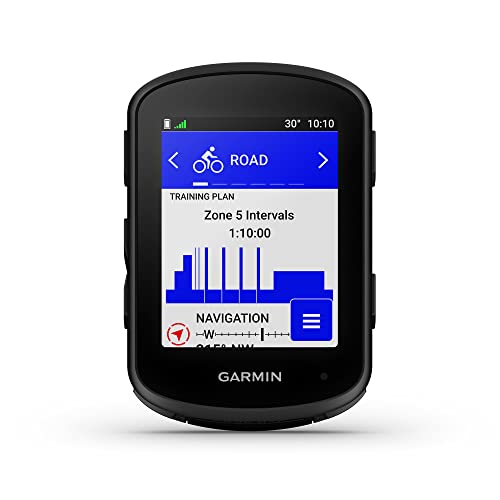
- Multi-band GNSS for stronger positioning accuracy
- Touchscreen and button control in a compact body
- ClimbPro, power guide, and stamina insights
Best For: Riders who want compact size with advanced navigation and training tools
Touchscreen Trail Guide
iGPSPORT BSC300T Wireless Bike Computer
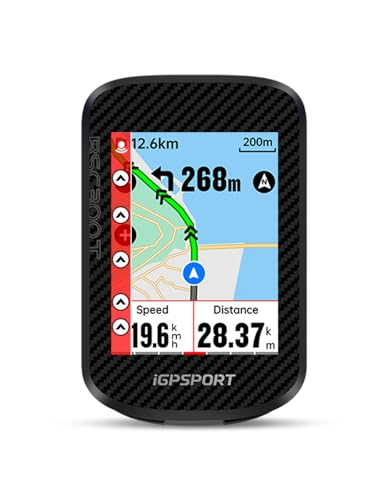
- Offline maps with route preview and off-course warnings
- Supports GPS, BeiDou, GLONASS, Galileo, and QZSS
- ANT+ and Bluetooth 5.0 for sensors, radar light, and e-bike use
Best For: Riders who want map navigation and wide device compatibility
Advanced GPS Performance
Garmin Edge 540 Compact GPS Cycling Computer

- Multi-band GNSS for improved positioning accuracy
- Up to 26 hours of battery life, 42 in saver mode
- Adaptive coaching and ClimbPro on every ride
Best For: training-focused riders who want accurate navigation and long battery life
Easy Route Handling
Wahoo ELEMNT Bolt V3 GPS Cycling Computer

- Turn-by-turn navigation for imported and synced routes
- Automatic route downloads and workout uploads
- ANT+ radar support and smart notifications
Best For: riders who want simple navigation and easy syncing with route apps
Color Touchscreen Value
GEOID CC700 Pro GPS Bike Computer

- 2.8-inch color touchscreen with map navigation
- Re-route planning and offline route downloads
- WiFi sync plus indoor training support
Best For: riders who want a large-screen GPS computer with practical value
GPS Cycling Pick
COOSPO Wireless Cycling Computer GPS

- Global GPS positioning with ANT+ sensor support
- 2.4-inch screen with auto backlight and IP67 rating
- App syncing plus Strava export and 80-hour data storage
Best For: Riders wanting a simple GPS bike computer with app syncing
Navigation Upgrade
GEOID CC600 Color Screen Bike Computer

- Color route navigation with turn prompts and rerouting
- WiFi and Bluetooth for fast sync and firmware updates
- 5-second positioning with multiple satellite systems
Best For: Cyclists who prioritize navigation and quick syncing
Long-Ride Value
iGPSPORT BSC100S GPS Bike Computer

- Five-satellite GPS positioning with app-based analysis
- 2.6-inch anti-glare screen and 40-hour battery life
- Bluetooth 5.0 and ANT+ sensor support
Best For: Riders wanting a readable, long-lasting GPS computer
Premium Flagship – Garmin Edge 1050 Premium Cycling Computer
If you want one of the most capable bike computers with gps, the Garmin Edge 1050 leans hard into navigation, smart connectivity, and ride data. Its vivid 3.5-inch color touchscreen makes course building and map viewing easy, while the premium feature set adds rider awareness, training support, and in-ride tools for long, serious rides.
Best For: Riders who want a top-tier GPS cycling computer with a large touchscreen, advanced navigation, and premium smart features.
Pros:
- Large 3.5-inch vivid touchscreen with responsive on-device course creation
- Up to 20 hours of battery life, or up to 60 hours in battery saver mode
- Road hazard alerts, group ride messaging, live locations, and incident detection when paired with a compatible smartphone
- Built-in speaker, Garmin Pay, ClimbPro, and power guide features for more ride control
Cons:
- Premium feature set may be more than casual riders need
- Best performance depends on compatible smartphone, power meter, and heart rate monitor for some functions
The Edge 1050 is built for cyclists who want a navigation-first computer with a lot of extra intelligence. If you value a big display, deeper ride insights, and strong connected features, it stands out as a high-end option.
Budget Navigator – iGPSPORT BSC200S GPS Bike Computer
The iGPSPORT BSC200S is a practical pick if you want bike computers with gps that focus on route navigation and long battery life without adding a lot of complexity. It supports route creation through the app, third-party imports like Strava and Komoot, and clear riding data on a compact 2.4-inch display.
Best For: Value-minded riders who want simple GPS navigation, app syncing, and strong battery life.
Pros:
- Supports route creation and imports from Strava, Ride with GPS, and Komoot
- 25-hour battery life with fast Type-C charging
- More than 100 riding data fields and up to 400 hours of storage
- Bluetooth, ANT+, and IPX7 waterproof protection
Cons:
- Smaller 2.4-inch screen than premium touch models
- Navigation and smart features are less advanced than high-end Garmin units
For riders who prioritize practicality over premium polish, the BSC200S covers the basics well. It combines navigation tools, solid battery life, and broad sensor support in a compact, affordable package.
Compact Climber – Garmin Edge 840 Compact GPS Cycling Computer
The Garmin Edge 840 is a compact choice in bike computers with gps for riders who want advanced training tools in a smaller package. It combines touchscreen and button control, multi-band GNSS positioning, and ride-type maps with climbing and coaching features for structured training and route confidence.
Best For: Riders who want a compact GPS computer with accurate positioning, training guidance, and climbing tools.
Pros:
- Multi-band GNSS for improved positioning accuracy in challenging environments
- Up to 26 hours of battery life in demanding use cases, or up to 32 hours in saver mode
- Touchscreen plus button control for flexible operation
- ClimbPro, power guide, stamina insights, and adaptive training support
Cons:
- Smaller 2.6-inch screen than Garmin’s larger premium models
- Many best-in-class training features work best with compatible power and heart rate sensors
The Edge 840 hits a strong middle ground between size and capability. It is a smart fit if you want serious navigation and training features without moving up to a larger flagship computer.
Touchscreen Trail Guide – iGPSPORT BSC300T Wireless Bike Computer
If you want bike computers with gps that emphasize mapping and multi-device compatibility, the iGPSPORT BSC300T is built for route confidence. It adds offline map navigation, off-course warnings, and real-time tracking, while its touchscreen and button layout gives you flexible control on road, MTB, or e-bike rides.
Best For: Riders who want offline map navigation, off-course alerts, and broad sensor compatibility.
Pros:
- Offline map download with route preview, turn prompts, and off-course warning
- Supports GPS, BeiDou, GLONASS, Galileo, and QZSS for broad satellite coverage
- Over 130 riding data fields plus real-time teammate tracking
- ANT+ and Bluetooth 5.0 support for sensors, smart trainers, radar light, and e-bike use
Cons:
- 20-hour battery life is solid but shorter than some competing GPS computers
- Type-C cable is not included in the box
The BSC300T is a strong navigation-focused option if you want maps and alerts more than a premium ecosystem. Its offline mapping and broad device support make it especially useful for mixed riding styles.
Advanced GPS Performance – Garmin Edge 540 Compact GPS Cycling Computer
If you want bike computers with gps that lean hard into training, the Garmin Edge 540 is built for structured riders who care about navigation, pacing, and recovery. It combines multi-band GNSS accuracy, ride-specific maps, and adaptive coaching features in a compact button-controlled unit.
Best For: Riders who want a navigation-first GPS cycling computer with deeper training insights and long battery life.
Pros:
- Multi-band GNSS improves positioning accuracy in challenging environments.
- Up to 26 hours of battery life, or up to 42 hours in battery saver mode.
- ClimbPro shows remaining ascent and grade on every ride, with no course required.
- Includes adaptive coaching, stamina insights, and power-based guidance when paired with compatible sensors.
Cons:
- Button controls may feel less intuitive than a touchscreen for some riders.
- Several advanced coaching features require a compatible power meter and heart rate monitor.
Overall, the Edge 540 stands out if you want a compact cycling computer that goes beyond basic mapping. Its strongest advantage is the combination of accurate GPS, performance tools, and practical ride planning in one device.
Easy Route Handling – Wahoo ELEMNT Bolt V3 GPS Cycling Computer
The Wahoo ELEMNT Bolt V3 is a smart pick if you want bike computers with gps that prioritize simple route handling and ride-day convenience. It offers on-device turn-by-turn navigation, automatic route downloads, workout uploads, and clear alerts through LEDs and audio cues.
Best For: Riders who want a compact GPS bike computer with automatic syncing and straightforward navigation.
Pros:
- On-device turn-by-turn navigation works with GPX, TCX, Strava, Ride with GPS, and Komoot routes.
- Automatic route downloads and workout uploads save time before and after rides.
- Smart notifications and LiveTrack add useful phone-connected features.
- ANT+ radar integration adds rear-vehicle awareness when paired with compatible radar.
Cons:
- Battery life is listed at 20 hours, which is shorter than some rivals.
- Navigation and live features depend on syncing with a smartphone and compatible services.
In practice, the Bolt V3 is aimed at riders who value a smooth setup and reliable route guidance over feature overload. It feels especially practical if you regularly use third-party route platforms and want your computer to stay in sync automatically.
Color Touchscreen Value – GEOID CC700 Pro GPS Bike Computer
If you’re comparing bike computers with gps and want a larger color screen, the GEOID CC700 Pro brings touchscreen navigation, route re-routing, and WiFi syncing at a value-focused level. It combines offline map downloads, multiple satellite support, and indoor training tools in one compact unit.
Best For: Riders who want a touchscreen GPS bike computer with navigation features and WiFi-based syncing.
Pros:
- 2.8-inch color touchscreen makes maps and navigation easier to read.
- Re-route planning can recalculate your path if you go off course.
- Supports GPS, BEIDOU, GLONASS, QZSS, and GALILEO, plus AGNSS via WiFi.
- Includes free indoor training features and FIT file export with STRAVA and TrainingPeaks support.
Cons:
- Re-route planning requires the computer to stay connected to the designated app.
- Some functions, like DJI camera control, are limited to specific compatible models.
The CC700 Pro is a strong fit if you want a bigger screen and modern connectivity without moving into premium pricing territory. Its combination of touchscreen operation, offline navigation, and indoor training support makes it versatile for everyday riders.
GPS Cycling Pick – COOSPO Wireless Cycling Computer GPS
If you want bike computers with gps that cover the basics well, the COOSPO Wireless Cycling Computer GPS is a straightforward option with global positioning, sensor support, and app syncing. It gives you ride data on a readable 2.4-inch screen and is built for everyday outdoor riding with weather protection and long battery life.
Best For: Riders who want an affordable GPS bike computer with ANT+ sensor compatibility and simple app syncing.
Pros:
- Supports GPS positioning plus ANT+ connections for heart rate, speed, cadence, and power sensors.
- CoospoRide app lets you set up the device, load route maps, update firmware, and analyze rides.
- Syncs activity files to Strava through the app and stores up to 80 hours of riding data.
- 2.4-inch sunlight-readable screen with auto backlight and IP67 waterproof protection.
Cons:
- First-time GPS positioning can take 3 to 5 minutes outdoors.
- Out front mount is not included.
- Sensors are not included with the single unit.
Overall, this is a practical entry-level GPS cycling computer for riders who mainly want reliable tracking, sensor support, and easy phone-based setup without extra complexity.
Navigation Upgrade – GEOID CC600 Color Screen Bike Computer
Among bike computers with gps, the GEOID CC600 stands out if route guidance and faster syncing matter more than a bare-bones display. It combines a colorful 2.4-inch screen, multi-satellite positioning, and navigation tools like turn reminders and rerouting for riders who follow planned routes.
Best For: Cyclists who want GPS navigation, quick positioning, and strong app or wireless syncing.
Pros:
- Supports GPS, BEIDOU, GLONASS, QZSS, and GALILEO with AGNSS for 5-second positioning.
- Color route navigation includes turn reminders, zooming, pop-up turn notifications, and automatic rerouting.
- WiFi and Bluetooth enable fast sync, firmware updates, and AGNSS data transfers.
- Works with indoor training, up to 9 device types, and export to Strava or TrainingPeaks.
Cons:
- Battery life is listed at 24 hours, which is shorter than some competitors.
- Best positioning depends on synced AGNSS data and an open area.
- Some advanced features may require app setup and account binding.
This is a strong pick for riders who want a GPS computer that feels more route-focused and feature-rich, especially for navigation, indoor training, and fast data transfer.
Long-Ride Value – iGPSPORT BSC100S GPS Bike Computer
If you are comparing bike computers with gps for long rides, the iGPSPORT BSC100S offers a good balance of screen size, battery life, and wireless connectivity. It supports five satellite systems, tracks a wide range of ride data, and pairs with the iGPSPORT app for analysis and sharing.
Best For: Riders who want long battery life, a larger screen, and simple GPS data tracking.
Pros:
- Supports 5-satellite positioning for more accurate GPS tracking.
- 2.6-inch anti-glare display makes ride data easier to read on the move.
- Up to 40 hours of battery life with USB-C charging.
- Bluetooth 5.0 and ANT+ support speed, cadence, and heart rate sensors.
Cons:
- Does not include the Type-C cable in the box.
- Sensor type listing is limited in the supplied details.
- Focuses more on core tracking than advanced navigation features.
For riders who want a dependable GPS bike computer that lasts through long rides and keeps data easy to read, this is a sensible, low-fuss choice.
How We Picked the Best Bike Computers with Gps
We focused on the features riders use most: accurate GPS tracking, clear screens, dependable battery life, easy navigation, and strong sensor support. We also favored models with practical everyday benefits such as quick satellite lock, waterproofing, phone sync, and compatibility with power meters, heart-rate straps, and cadence sensors.
Quick Comparison
In general, premium Bike Computers with Gps offer the best mapping, training tools, and screen quality, while midrange units tend to deliver the best balance of performance and price. Budget models usually cover the essentials well—speed, distance, basic routing, and app sync—without advanced coaching features.
Key Buying Factors for Bike Computers with Gps
Navigation and Map Quality
If you ride unfamiliar roads or trails, prioritize turn-by-turn directions, rerouting, offline maps, and clear on-device prompts. Riders who mostly follow familiar routes can often save money by choosing a simpler unit with breadcrumb navigation or route guidance.
Display and Usability
Screen size, touch responsiveness, and readability in bright sun matter more than many buyers expect. A larger color display is easier to read, but compact units may be a better fit for riders who want a lighter front-end setup or less handlebar clutter.
Battery Life and Durability
Long rides and event days call for stronger battery life. Water resistance is also important, especially if you ride year-round or in changing weather. Look for a model that can handle your typical ride length with some reserve to spare.
Sensor and App Compatibility
Most riders benefit from support for ANT+ and Bluetooth accessories. This makes it easier to connect heart-rate monitors, power meters, smart trainers, and electronic shifting systems. App sync and Wi-Fi can also simplify ride uploads and firmware updates.
Who Should Buy Which Bike Computers with Gps?
Competitive riders and data-driven cyclists should lean toward premium Bike Computers with Gps that emphasize advanced training metrics, structured workouts, and deep integration with accessories. Commuters and casual riders may prefer a simpler, lower-cost model with reliable tracking and basic navigation.
If you frequently explore new routes, prioritize maps and rerouting. If you want the best all-around experience, look for a balanced midrange unit with strong battery life, a bright display, and wide sensor compatibility. The right choice depends less on having every feature and more on matching the computer to the way you actually ride.