Choosing a waterless composting toilet for cabins comes down to comfort, capacity, odor control, and how much maintenance you want to do. The right model can make an off-grid cabin feel far more livable without needing plumbing or a septic hookup.
Below, we’ve narrowed the field to practical options for different cabin setups, from simple self-contained units to higher-capacity and powered designs.
Best 10 Waterless Composting Toilet for Cabins Picks for 2026
Premium All-Season Pick
Nature's Head Self Contained Composting Toilet
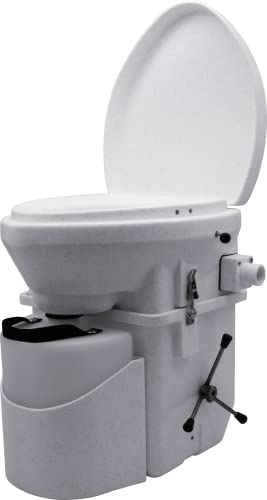
- Claims no odor and no maintenance
- Large capacity for extended use
- Easy installation and quick emptying
Best For: Cabins needing a proven, low-maintenance composting toilet
Odor-Control Specialist
Thinktank Waterless Toilet White
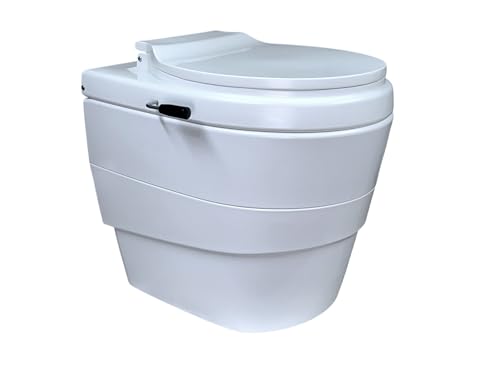
- Airtight with separate air intake and exhaust
- Waste is bagged and hidden by a trap door
- Very easy to clean with no bowl mess
Best For: Cabins needing strong odor control and simple cleanup
Compact Foot-Handle Option
Nature's Head Foot-Spider Handle Toilet

- Self-contained composting toilet design
- Floor-mounted for fixed cabin use
- Compact footprint in the listed dimensions
Best For: Cabins needing a basic, compact toilet from a known brand
High-Capacity Off-Grid Choice
Separett Villa Urine-Separating Compost Toilet

- Urine-separating waterless design
- No additives or mixing needed
- High-capacity for extended use
Best For: Cabins and cottages needing low-maintenance off-grid operation
Private and Low-Odor
Thinktank Composting Toilet, White
- Urine-diverting with separate intake and exhaust pipes
- Waste is hidden behind a trap door and bagged
- Easy to clean with no bowl to scrub
Best For: Cabin owners who want a contained, low-exposure composting toilet
Quick Setup
Sun-Mar GTG Self-Contained Compost Toilet

- Sets up in minutes
- Urine-diverting self-contained design
- Compact for cabins and small off-grid spaces
Best For: Cabins and tiny spaces that need a fast, low-maintenance install
Compact Electric Option
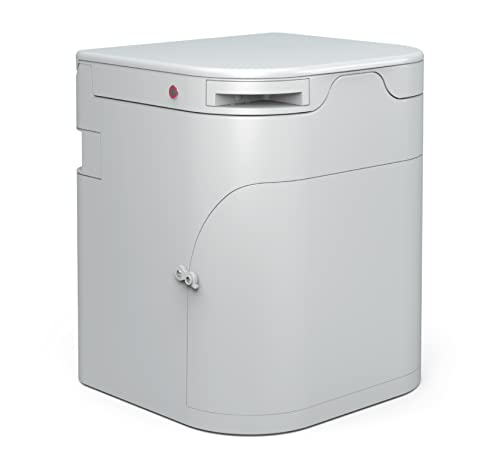
- Small 15" x 16" footprint
- 12V electric agitator removes manual cranking
- Urine-diverting with quiet fan ventilation
Best For: Cabin builds that need a compact, electric, off-grid toilet
All-Inclusive Cabin Kit
Nature's Head Structure Kit with Spider Handle

- Includes toilet, vent kit, adapter, and coco coir
- No water, plumbing, septic, black tank, or chemicals needed
- Rated for about 60–80 solid uses with a 2.2-gallon urine tank
Best For: Cabins and off-grid builds that want a complete installation kit
Hands-Free Cabin Choice
Nature's Head Structure Kit with Foot Spider Handle
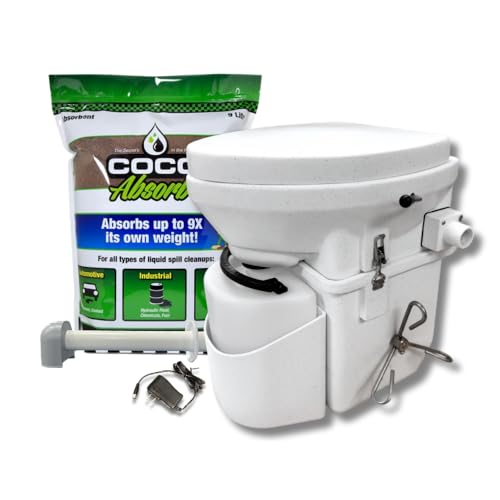
- Foot Spider Handle supports hands-free operation
- Includes ventilation components, adapter, and coco coir
- Built for cabins, workshops, and remote off-grid spaces
Best For: Compact cabins and shelters where foot-operated handling is preferred
Premium All-Season Pick – Nature's Head Self Contained Composting Toilet
Nature's Head Self Contained Composting Toilet with Close Quarters Spider Handle Design
Check Price On AmazonIf you’re shopping for a waterless composting toilet for cabins, Nature’s Head is aimed at users who want a simple, self-contained setup with a reputation for strong odor control and easy emptying. It’s built for reasonably handy installation, offers a large capacity, and is positioned as a low-maintenance option for off-grid spaces.
Best For: Cabin owners who want a proven, high-capacity composting toilet with minimal upkeep.
Pros:
- Claims absolutely no odor and no maintenance.
- Large capacity: 2 people full-time can reportedly go 4-6 weeks before emptying.
- Easy to install for a reasonably handy person.
- Easy emptying in about 5 minutes.
Cons:
- Self-contained design may still require routine emptying despite the low-maintenance claims.
- Plastic construction may not feel as premium as other materials.
Overall, this is the most straightforward pick if you want a well-known waterless composting toilet for cabins and value capacity, simplicity, and user support over a more specialized design.
Odor-Control Specialist – Thinktank Waterless Toilet White
The Thinktank Waterless Toilet is designed for off-grid spaces where odor control, privacy, and easy cleanup matter most. For a waterless composting toilet for cabins, it stands out with separate air intake and exhaust pipes, a trap door that hides waste from view, and a bagged waste system that keeps the bowl from getting messy.
Best For: Cabins and off-grid bathrooms where odor control and simple cleanup are top priorities.
Pros:
- Airtight design with separate air intake and exhaust pipes.
- Massive airflow is intended to ensure zero odor.
- Waste is contained in a bag and hidden by a patented trap door.
- Very easy to clean because there is no bowl to get messy.
Cons:
- Uses waste bags, so you’ll need to keep replacements on hand.
- Floor-mounted installation may take planning in a cabin layout.
This is a strong fit if you want a cleaner-feeling, more private waterless toilet setup and prefer a system that keeps waste out of sight from the user.
Compact Foot-Handle Option – Nature's Head Foot-Spider Handle Toilet
If you want a waterless composting toilet for cabins in a compact, self-contained format, this Nature’s Head model uses the Foot-Spider handle layout and keeps the build simple. The supplied details emphasize the same plastic construction and floor-mounted setup, making it a practical choice for tight off-grid spaces.
Best For: Cabin setups that need a compact, floor-mounted composting toilet from a familiar brand.
Pros:
- Self-contained composting toilet design.
- Floor-mounted installation for fixed cabin placement.
- Compact footprint based on the listed dimensions.
Cons:
- Fewer feature details are provided than on some other models.
- No odor-control or capacity claims were included in the notes.
This is the simplest pick in the group if you already trust the Nature’s Head name and mainly need a basic, fixed-installation waterless toilet for a cabin.
High-Capacity Off-Grid Choice – Separett Villa Urine-Separating Compost Toilet
The Separett Villa is a waterless composting toilet for cabins built around urine-separating technology, so it avoids water use while keeping operation simple. It is marketed for off-grid spaces such as cabins, cottages, and homesteads, with a high-capacity design and no need for additives or mixing.
Best For: Cabins and other off-grid spaces that want urine-diverting operation with minimal maintenance.
Pros:
- Urine-separating system for waterless off-grid use.
- No additives or mixing needed.
- High-capacity design suits extended use between emptying cycles.
- Made for cabins, cottages, homesteads, and similar spaces.
Cons:
- Wall-mounted installation may be less flexible than floor-mounted units.
- Paper material is listed, which may matter for durability preferences.
For buyers who want an off-grid toilet that leans into urine diversion and low-maintenance operation, this Separett is a very practical cabin-friendly option.
Private and Low-Odor – Thinktank Composting Toilet, White
If you’re shopping for a waterless composting toilet for cabins, this Thinktank model stands out for users who want a very contained, low-exposure setup. Its urine-diverting design, sealed waste bag system, and separate air intake/exhaust pipes are aimed at keeping odors down while avoiding heat loss from the cabin.
Best For: Cabin owners who want a highly contained composting toilet with strong odor control and minimal user exposure.
Pros:
- Urine-diverting design with a separate air intake and exhaust system.
- Waste stays hidden behind a patented trap door and is contained in a bag.
- Very easy to clean since there is no bowl to get messy.
- Includes vent pipes, power options, waste bags, and installation manual.
Cons:
- Requires venting and powered airflow to operate as designed.
- Floor-mounted installation may take more planning than a simple portable unit.
Overall, this is a strong pick if your priority is keeping the cabin bathroom clean, discreet, and well ventilated. It is especially appealing for users who want less direct contact with waste and a more enclosed composting experience.
Quick Setup – Sun-Mar GTG Self-Contained Compost Toilet
The Sun-Mar GTG is a practical waterless composting toilet for cabins when you want a low-maintenance setup that gets installed quickly. Its self-contained urine-diverting design is meant for small off-grid spaces like cottages, cabins, RVs, and boats, with a compact footprint that works in tight rooms.
Best For: Cabins and tiny spaces where fast setup and simple day-to-day use matter most.
Pros:
- Sets up in minutes for a faster install.
- Urine-diverting layout helps separate liquid and solid waste.
- Low-maintenance operation with no frequent dumping.
- Compact dimensions suit small cabins and other tight spaces.
Cons:
- At 25 pounds, it is not the lightest option to move around.
- Floor-mounted installation may still require a dedicated space.
For cabin owners who want a straightforward composting toilet without a complicated setup, this model keeps the focus on convenience. It is a good fit when you want a self-contained unit that stays practical for regular off-grid use.
Compact Electric Option – OGO Origin Composting Toilet
The OGO Origin is a compact waterless composting toilet for cabins, especially if space is tight and you want a more modern, hands-off experience. Its 12V electric agitator, urine-diverting design, and quiet fan ventilation are built for off-grid use in cabins, vans, boats, and tiny homes.
Best For: Cabin builds that need a small footprint and electric mixing instead of manual cranking.
Pros:
- Very compact footprint for tight layouts.
- 12V electric agitator eliminates manual cranking.
- Urine-diverting design helps keep solids drier and storage simpler.
- Quiet fan ventilation and low 12V power draw suit off-grid use.
Cons:
- Requires 12V power for the agitator and ventilation.
- Liquid and solid waste are handled separately, so there are multiple components to manage.
This is a smart choice for cabin owners who want a premium-feeling composting toilet in a small footprint. It is especially useful if you value push-button operation and a cleaner, more appliance-like look.
Rapid Composting Pick – Waterless Composting Toilet for Cabins with Heating
If you want a waterless composting toilet for cabins that leans into active composting rather than just waste storage, this model stands out. It includes a microbial package, electric mixing, a urine-separating layout, and an exhaust fan that turns on during use to vent odors outside. The heating plate is also a practical touch for cold or damp conditions where composting can slow down.
Best For: Cabins, tiny houses, and off-grid spaces where temperature control and odor management matter.
Pros:
- Microbial package is designed to support actual composting inside the unit.
- Automatic exhaust fan helps keep bathroom odors from lingering during use.
- Heating plate is built in to help in cold or damp weather.
- Urine separation helps keep daily use cleaner and more hygienic.
Cons:
- Requires electricity for the fan, mixing, and heating features.
- Floor-mounted design may be less flexible than portable alternatives.
- Best fit is for users comfortable with a more feature-rich system.
This is a strong choice if you want a more technical composting setup with added support for odor control and cold-weather performance. The tradeoff is that it depends on powered components, so it fits best in cabins with reliable electricity.
All-Inclusive Cabin Kit – Nature's Head Structure Kit with Spider Handle
For shoppers comparing a waterless composting toilet for cabins, this Nature’s Head structure kit is built as a complete off-grid package. It comes with the toilet, 110V adapter, shell vent installation kit, and a free 9L bag of coco coir, so you have what you need to get started. The self-contained design separates liquid and solid waste and is intended for low-maintenance use without plumbing or a septic system.
Best For: Cabins, tiny homes, and off-grid builds that want a complete ready-to-install kit.
Pros:
- All-inclusive bundle includes the toilet, vent kit, adapter, and coco coir.
- Self-contained system needs no water, plumbing, septic, black tank, or chemicals.
- Large capacity is rated for about 60–80 solid uses and a 2.2-gallon urine tank.
- Spider handle design is made for compact spaces and reliable mixing.
Cons:
- Urine bottle may need emptying every 2–3 days depending on use.
- Solids bin still requires periodic emptying, even with extended capacity.
- Needs low-draw electrical power for the ventilation fan.
This kit is appealing if you want a straightforward, ready-to-install cabin solution rather than piecing together components separately. Its main advantage is the included hardware and trusted off-grid layout, while maintenance remains part of normal use.
Hands-Free Cabin Choice – Nature's Head Structure Kit with Foot Spider Handle
This waterless composting toilet for cabins keeps the same off-grid Structure Kit format but swaps in a foot-operated Spider Handle for hands-free use. The package includes the toilet, ventilation components, a 110V adapter, and a free 9L bag of coco coir, making it a full installation-ready option. Like the other Structure Kit version, it separates liquid and solid waste and uses a low-draw fan to help maintain a dry composting environment.
Best For: Cabins, storm shelters, and compact off-grid spaces where hands-free operation is preferred.
Pros:
- Foot Spider Handle offers hands-free, more hygienic operation.
- Complete kit includes ventilation components, adapter, and coco coir.
- Designed for cabins, tiny homes, workshops, and remote living.
- Low-draw fan supports continuous airflow and odor management.
Cons:
- Urine bottle still needs regular emptying, typically every 2–3 days.
- Requires electricity for the ventilation system.
- Not a simple no-maintenance product; solids still need periodic care.
If hands-free operation matters in a small bathroom, this version is the most practical of the group. It keeps the same capacity and off-grid readiness as the spider-handle model, while adding a more accessible foot-actuated mix design.
How We Picked the Best Waterless Composting Toilet for Cabins
We focused on cabin-friendly designs that balance odor management, ease of installation, waste separation, emptying frequency, and long-term reliability. We also favored models that make sense for real off-grid use, not just occasional weekend stays.
Quick Comparison
In general, self-contained models are the easiest to install and move, while urine-diverting units usually reduce odor and extend service intervals. Powered units can improve mixing or drying performance, but they add wiring, electrical dependence, and more components to maintain.
Key Buying Factors for a Waterless Composting Toilet for Cabins
Capacity and Visit Frequency
Think about how many people will use the cabin and whether it’s a weekend retreat or a full-time setup. Larger-capacity systems mean fewer emptying cycles, which matters if the cabin is remote.
Odor Control and Separation
Urine-diverting designs are often easier to keep odor-free because they keep liquids away from solids. If simplicity matters most, a basic self-contained unit may still be a strong fit, especially with proper bulking material and ventilation.
Power Requirements
Some models are fully manual, while others use fans, heaters, agitators, or mixing systems. For cabins with limited electricity, a non-electric model is usually the safest choice. If you have reliable power, an electric option may improve convenience.
Installation and Venting
Check how the toilet vents and how much space it needs around the base, door, and service access. A compact footprint can be a major advantage in small cabins or lofted bathroom layouts.
Maintenance Routine
The best Waterless Composting Toilet for Cabins is one you’ll actually maintain. Look for an emptying routine, cleaning process, and consumables setup that matches your comfort level and how often you visit.
Who Should Buy Which Waterless Composting Toilet for Cabins?
If you want the simplest setup, choose a self-contained manual unit. If odor control and fewer servicing interruptions matter most, a urine-diverting model is usually worth it. If your cabin has dependable power and you want more automation, a powered composting toilet can be the better fit.
For most cabin buyers, the best choice is the one that matches usage frequency, climate, and electricity access. A well-matched system will feel easier to live with, perform more consistently, and save frustration over time.