Choosing the right seed starting trays can make a noticeable difference in germination, root development, and how smoothly seedlings transplant later on.
Below, we’ve rounded up 10 practical options for different growing styles, from compact indoor setups to higher-capacity trays for larger sowings.
Best 10 Seed Starting Trays Picks for 2026
Adjustable 5-Pack with 40 Cells Each
Gardzen 5-Set Seed Starter Tray Kits

- Five 40-cell trays for a 200-cell total setup
- Adjustable dome vents for airflow control
- Drain holes and clear domes support easy monitoring
Best For: Reusable seed starting with adjustable humidity control
Mess-Free 10-Pack Bases
17 x 11 Inch Plant Growing Trays

- Ten large trays for seedling and potting projects
- No-drain-hole design catches runoff and limits mess
- Stackable plastic trays are reusable and easy to clean
Best For: Keeping seedling and potting areas cleaner
Flexible 36-Cell Design
Burpee SuperSeed Reusable Seed Starting Tray

- 36 flexible silicone cells reduce transplant stress
- Labeled rows help keep seedlings organized
- Drainage slots and water channels improve control
Best For: Indoor seed starting with gentler transplanting
Compact 5-Pack Propagator Kit
MIXC 200-Cell Mini Seed Starter Trays
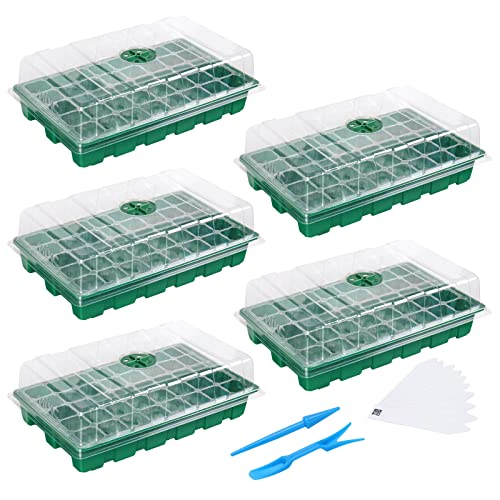
- Five kits include trays, domes, tools, and labels
- Adjustable vents help manage humidity and temperature
- Stackable bottoms save space before germination
Best For: Starting many small seeds in a compact setup
Deep Cell Value Pack

- 10-pack of deep 72-cell trays
- 2.36-inch cells hold more soil
- Fits standard 1020 flat trays
Best For: Starting larger seedlings that need extra root space
Complete Starter Kit

- 10 sets with 12-cell trays
- Includes dome lids, bases, and labels
- Adjustable vents and drain holes
Best For: Indoor seed starting with humidity control and tools included
Clear Control Kit
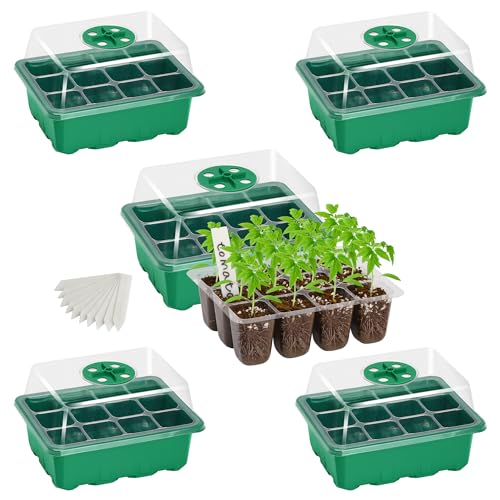
- Clear trays for easy plant monitoring
- Adjustable vents control humidity
- Includes base trays, domes, and labels
Best For: Starting larger seeds with clear visibility and humidity control
All-in-One Starter Kit
Mr. Pen 10-Pack 40-Cell Seed Starter Trays

- 10 tray sets with 40 cells each
- Includes humidity domes and planting tools
- Clear domes help monitor seedlings
Best For: Gardeners who want a complete indoor seed-starting kit
Compact Multi-Pack
Gardzen 30 Pack 6-Cell Seed Starting Trays
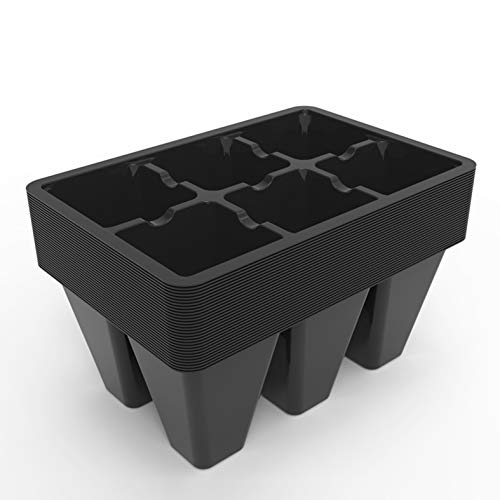
- 30 reusable trays with 6 cells each
- Drain holes help prevent overwatering
- Good for flowers, vegetables, and herbs
Best For: Gardeners who want simple, reusable trays in bulk
Durable 6-Cell Design
Epic Gardening 6-Cell Seed Starter Tray

- UV-resistant recycled plastic for long use
- Air-pruning slots encourage healthy roots
- Finger holes make transplanting easier
Best For: Gardeners focused on durability and easy transplanting
Adjustable 5-Pack with 40 Cells Each – Gardzen 5-Set Seed Starter Tray Kits
These seed starting trays are a practical pick if you want a reusable setup with clear domes and simple moisture control. The Gardzen 5-set gives you five 40-cell trays, vented humidity domes, and drainage holes, making it a straightforward option for germinating seeds, rooting cuttings, and managing young plants indoors or in a greenhouse.
Best For: Gardeners who want a reusable 200-cell seed starting setup with adjustable dome ventilation.
Pros:
- Two adjustable air vents on each dome help fine-tune airflow.
- Five trays with 40 cells each provide space for larger seed-starting batches.
- Drain holes help reduce the risk of overwatering.
- Clear domes make it easy to monitor growth without opening the kit.
Cons:
- Plastic construction may not appeal to gardeners looking for premium or rigid materials.
- The 40-cell format is better for seed starting than larger individual seedlings.
This is a solid all-around choice if you want a familiar seed-starting kit with enough capacity for multiple rounds of planting. The added vent control and included bases make it especially useful for beginners who want a simple, managed growing environment.
Mess-Free 10-Pack Bases – 17 x 11 Inch Plant Growing Trays
If you need seed starting trays that are more about organization and cleanup than built-in growing features, this 10-pack is an easy fit. The solid no-drain-hole design is meant to catch runoff from nursery pots and seedlings, which helps keep shelves, tables, and greenhouse benches cleaner during planting projects.
Best For: Gardeners who want simple catch trays for seedlings, potting, microgreens, and mess control.
Pros:
- Ten trays give you plenty of surface area for multiple projects.
- Solid bases help collect drainage water and reduce mess.
- Useful for seedlings, microgreens, wheatgrass, bonsai, and cat grass.
- Stackable and reusable for easier storage and repeat use.
Cons:
- No drain holes means these are not a complete seed-starting system on their own.
- Best suited as a support tray rather than the main germination container.
This is a practical buy if you already use starter pots or inserts and want a cleaner workspace. The large, reusable trays are especially handy for indoor setups where water control and quick cleanup matter.
Flexible 36-Cell Design – Burpee SuperSeed Reusable Seed Starting Tray
For indoor growers who want seed starting trays that make transplanting easier, the Burpee SuperSeed focuses on flexible cells and smarter water management. The 36 silicone cells, labeled layout, and deep watering tray are designed to support germination while keeping seedlings organized and easier to move later.
Best For: Indoor gardeners who want easy pop-out transplanting and organized 36-cell starting.
Pros:
- Flexible silicone cells pop out gently to reduce transplant stress.
- Alphanumeric labels and a Plant-o-Gram diagram help with identification.
- Molded drainage slots and deep watering channels support aeration and water control.
- Reusable and top-rack dishwasher safe for easier cleanup.
Cons:
- Single tray format offers less total capacity than multi-pack kits.
- Silicone construction may feel different from traditional rigid plastic trays.
This tray stands out if you value transplant convenience and repeat use over sheer cell count. It’s a well-thought-out option for indoor seedlings, especially when you want cleaner watering and less root disturbance at move-out time.
Compact 5-Pack Propagator Kit – MIXC 200-Cell Mini Seed Starter Trays
This MIXC kit is built for growers who want a compact seed-starting tray system with strong visibility and humidity control. With five trays, domes, labels, and small-cell inserts, it’s geared toward starting small seeds while keeping the setup stackable and easy to manage indoors or outdoors.
Best For: Growers starting lots of small seeds who want domes, labels, and a compact footprint.
Pros:
- Five tray kits include domes, bases, tools, and plant labels.
- Transparent plastic makes it easy to observe seedlings.
- Adjustable dome vents help regulate temperature and humidity.
- Bottom trays can be stacked to save space before germination.
Cons:
- Small 1.5 x 1.5 inch cells are best suited to smaller seeds.
- Users need to pay attention to the product size and cell dimensions.
This is a feature-rich option for gardeners who want more control over a small-seed propagation setup. The included accessories and stackable design make it especially useful when you’re trying to stay organized in limited space.
Deep Cell Value Pack – 72 Cell Deep Seedling Trays
If you want seed starting trays that give seedlings more room before transplanting, this 10-pack of deep 72-cell trays is built for that job. The bigger, deeper cells hold more soil, support more root development, and work well with bottom watering and standard 1020 flats.
Best For: Gardeners starting vegetables, herbs, flowers, or fruit seedlings that need extra root space and a longer stay in the tray.
Pros:
- Deep 2.36-inch cells provide more soil volume for stronger early root growth
- Fits standard 1020 flat trays for a familiar propagation setup
- Designed for bottom watering and nursery use
- Works for a wide range of seeds, including tomatoes, peppers, cucumbers, melons, and strawberries
Cons:
- No dome, base tray, or labels are included
- Best suited to growers who already use 1020 flats
- Deep trays take up more vertical space than shallow plug trays
These seed starting trays make sense when you want extra cell depth instead of a basic shallow plug tray. The larger cells are a practical choice for growers who want healthier root development and more time before transplanting.
Complete Starter Kit – 12-Cell Tray Sets with Domes
These seed starting trays are a compact kit for growers who want a simple, all-in-one setup. Each 12-cell tray comes with a transparent dome lid, adjustable vents, drainage holes, and even a shovel and scoop, so you can start seedlings with fewer extra purchases.
Best For: Indoor gardeners and hobbyists who want a compact seed-starting kit with humidity control and basic tools included.
Pros:
- 10-pack gives you multiple 12-cell trays for small indoor starts
- Transparent dome lids with adjustable vents help manage moisture and airflow
- Drain holes help reduce overwatering and root rot risk
- Includes shovel and scoop for planting and transplanting
Cons:
- Smaller 12-cell format offers less room per plant than larger-cell trays
- Designed for indoor use
- Best for smaller-scale starts rather than large propagation runs
This kit is a practical pick if you want seed starting trays that bundle the essentials into one package. The domes and vents give you better control over germination conditions, while the included tools add convenience for everyday use.
Clear Control Kit – 12-Cell Seed Starter Trays
If you want seed starting trays that let you watch germination without lifting the lid, this clear 5-pack is built for visibility and control. The transparent trays, humidity domes with adjustable vents, and watertight bases make it easy to manage moisture while keeping seedlings protected.
Best For: Growers starting larger seeds who want a clear tray system for monitoring growth and dialing in humidity.
Pros:
- Clear plastic trays make it easy to observe seedlings during germination
- Adjustable vents help regulate temperature and humidity
- Heat-mat compatible and designed for higher and lower temperature resistance
- Includes base trays, domes, drainage holes, and plant labels
Cons:
- Only 5 tray sets per pack
- 12-cell layout may be limiting for growers who need many small starts
- Best suited to indoor propagation
This is a solid choice when visibility matters as much as humidity control. The larger 1.5-inch square cells and included dome system make it a sensible option for seeds that benefit from a more controlled start.
All-in-One Starter Kit – Mr. Pen 10-Pack 40-Cell Seed Starter Trays
If you want seed starting trays that bundle the basics, this Mr. Pen kit is a practical all-in-one option. It includes 10 seed trays, matching bases, transparent humidity domes, plus a dibber and widger for sowing and transplanting. The clear domes help create warmth and humidity while letting you watch seedlings as they grow.
Best For: Home gardeners, classrooms, and greenhouse projects that need a complete starter setup.
Pros:
- 10 tray sets with 40 cells each for starting a large batch of seeds
- Humidity vented domes help support warmer, moister germination conditions
- Includes dibber and widger tools for accurate sowing and easier transplanting
- Clear domes make it easy to monitor seedling progress
Cons:
- Designed for indoor tabletop use, not outdoor growing
- Bulkier than simple trays because it includes domes, bases, and tools
This kit makes sense if you want a more complete seed-starting setup rather than just basic trays. The included tools and domes add convenience, while the 400 total cells give you plenty of room for a serious seed-starting season.
Compact Multi-Pack – Gardzen 30 Pack 6-Cell Seed Starting Trays
These seed starting trays are a straightforward pick if you want lots of small trays for organized germination. Each tray has 6 cells, drainage holes, and guide channels to help manage moisture while supporting seedlings. The reusable plastic design also makes them a practical choice for repeated seasons.
Best For: Gardeners starting flowers, vegetables, or herbs in smaller batches.
Pros:
- 30-pack gives you plenty of individual trays for multiple planting rounds
- Drain holes help prevent overwatering and support seed germination
- Reusable plastic construction is designed for long-term use
- Compact cell size works well for a range of plant types
Cons:
- No humidity domes or matching base trays included
- Smaller 6-cell layout offers less space per tray than larger starter kits
For gardeners who mainly need simple, durable trays, this Gardzen pack keeps the setup efficient and reusable. It focuses on drainage and consistency rather than extras, which makes it a solid no-frills option for everyday seed starting.
Durable 6-Cell Design – Epic Gardening 6-Cell Seed Starter Tray
If you care most about durability and easy transplanting, these seed starting trays are built around those priorities. Made from recycled UV-resistant plastic, they’re designed for lifetime use, and the open base plus air-pruning slots encourage healthier roots. Each cell also has a finger hole, making it easier to pop seedlings out without extra tools.
Best For: Gardeners who want durable trays that make transplanting less stressful.
Pros:
- Recycled UV-resistant plastic is built for strong, reusable performance
- Air-pruning slots and open base support healthier root development
- Finger holes help seedlings release easily during transplanting
- Fits standard nursery trays for a more flexible seedling setup
Cons:
- Only 6 trays included, so the pack is smaller than bulk options
- No domes or watering accessories are included
This is a smart choice if you want sturdy trays that are focused on root health and easy handling. The design is especially appealing for gardeners who dislike pricking out seedlings and prefer a cleaner transplanting process.
How We Picked the Best Seed Starting Trays
We focused on Seed Starting Trays that offer a smart balance of cell size, drainage, durability, and ease of handling. We also looked for options that suit different growers, including beginners, balcony gardeners, indoor starts, and gardeners sowing larger batches. Reusable construction, dome-and-base kits, and tray depth were major considerations because they directly affect moisture control and transplant success.
Quick Comparison
If you want the simplest setup, a basic tray-and-dome kit is ideal for moist, even germination. If you need to sow many seeds at once, higher-cell-count options are more efficient. For larger seedlings or plants that stay in trays longer, deeper cells are usually a better fit. Flat trays without holes are useful as catch trays or for hydroponic-style setups, while drainage-hole trays are better when you want to reduce the risk of soggy soil.
Key Buying Factors for Seed Starting Trays
Cell Size and Depth
Smaller cells maximize capacity, but seedlings can outgrow them quickly. Deeper cells support stronger root growth and give you a little more time before transplanting. If you grow crops with fast root development, depth matters more than sheer cell count.
Drainage and Moisture Control
Good drainage helps prevent damping-off and overwatering issues. Domes can help retain humidity during germination, but they should be vented or removed once seedlings emerge. Match the tray style to how tightly you manage watering.
Durability and Reusability
Sturdy plastic holds up better over multiple seasons, especially if you sanitize trays between uses. Thicker trays are often worth it if you start seeds every year or move trays around frequently.
Tray Format and Workflow
Some gardeners prefer full kits with bases and domes, while others just need inserts or propagation flats. Think about how you water, whether you bottom-water, and how much space you have under grow lights or on a windowsill.
Who Should Buy Which Seed Starting Trays?
Beginners usually do best with complete Seed Starting Trays that include a dome and base, since they simplify moisture control. Gardeners starting lots of seedlings should look for high-cell-count options or multi-packs. If you grow larger transplants like herbs, peppers, or flowers, choose deeper cells for stronger root structure. For flexible use, basic flats and reusable trays give you the most room to adapt your setup.
In short, the best choice depends on how many seedlings you start, how long they stay in the tray, and how much control you want over watering and humidity.