Choosing the right pad matters as much as choosing the right sleeping bag when temperatures drop. A good winter pad helps block ground cold, improve sleep quality, and make every night more manageable.
This roundup highlights insulated options with strong R-values, practical inflation features, and a range of comfort levels so you can match the pad to your trip style.
Best 10 Sleeping Pads for Winter Camping Picks for 2026
Winter-Ready Self-Inflating Pad
Gear Doctors Oxylus 4.3 R-Value Insulated Foam Pad
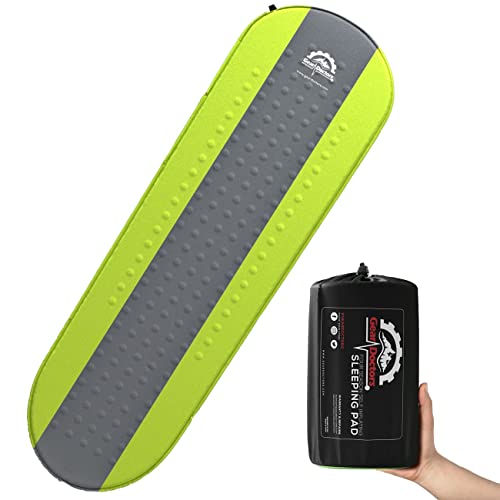
- 4.3 R-value foam core for cold ground
- Self-inflates and packs down compactly
- 75D shell resists moisture and abrasion
Best For: Campers wanting a simple insulated pad for cold-weather trips
Quick-Inflate Comfort Pad
Ultralight Camping Sleeping Pad with Pillow

- Built-in foot pump inflates fast
- 4-inch thickness with built-in pillow
- Lightweight 1.8 lb design packs small
Best For: Backpackers who want fast setup and extra sleeping comfort
High-Insulation Backpacking Pad
Elegear 4-Inch 9 R-Value Sleeping Pad

- Certified 9 R-value for severe cold
- 4-inch thickness helps stop bottoming out
- 2.2 lb backpacking-friendly pack weight
Best For: Serious winter campers who want maximum insulation
Ultralight Cold-Weather Pad
FlexRest Pro Insulated Sleeping Pad

- ASTM R-value 4.9 for four-season warmth
- Weighs just 1.4 pounds
- Tapered mummy shape saves space and heat
Best For: Ultralight backpackers needing compact cold-weather insulation
All-Season Ultralight Pick
TREKOLOGY 4" Sleeping Pad, 7.2 R-Value

- 7.2 R-value helps block ground chill.
- 4-inch thick, 70.8" x 24" sleeping surface.
- Lightweight 2 lb build packs down small.
Best For: Backpackers needing warm, compact insulation
Fast-Inflate Comfort Pick
FUN PAC Pad with Pillow and Foot Pump

- Built-in foot pump inflates quickly.
- Includes pillow and extra-wide sleep area.
- Side buttons allow a two-pad twin setup.
Best For: Campers who want quick setup and extra comfort
Highest-Insulation Foam Pick
Wevelel Memory Sleeping Pad, 9.5 R-Value

- 9.5 R-value is built for cold-weather insulation.
- 3.1-inch memory foam adds plush support.
- Quiet, skin-friendly fabric suits car camping.
Best For: Winter campers wanting maximum warmth and comfort
Ultralight Cold-Weather Pick
6.2 R-Value Ultralight Insulated Pad

- ASTM-tested 6.2 R-value for cold protection
- 3.2-inch thickness adds comfort and support
- 1.53 lb weight keeps it backpack-friendly
Best For: Backpackers wanting a light winter-ready pad
Most Mattress-Like Comfort

- 9.5 R-value for strong winter insulation
- 3.1-inch foam core adds pressure relief
- Foot-pump inflation sets up quickly
Best For: Car campers who want warm, quiet comfort
Winter-Ready Self-Inflating Pad – Gear Doctors Oxylus 4.3 R-Value Insulated Foam Pad
If you want sleeping pads for winter camping that balance warmth, comfort, and easy setup, the Gear Doctors Oxylus is built around a 4.3 R-value foam core. It self-inflates, adds a little more pressure by breath if needed, and packs down small enough for backpacking, car camping, or tent use in colder conditions.
Best For: Campers who want a simple self-inflating pad with solid cold-weather insulation and broad all-around use.
Pros:
- 4.3 R-value core helps provide reliable warmth on cold ground
- Self-inflates quickly and can be fine-tuned with a few breaths
- 75D micro-coated polyester shell is made for moisture and abrasion resistance
- Compact packed size and 35.2 oz weight suit packable trips
Cons:
- At 1.5 inches thick, it is less cushioned than thicker inflatable pads
- Wider winter-focused mats may prefer a larger sleeping surface
Overall, this is a practical pick if you want a dependable insulated mat that is easy to use and versatile across seasons, with enough warmth for cold-weather trips without adding a complicated setup.
Quick-Inflate Comfort Pad – Ultralight Camping Sleeping Pad with Pillow
For sleeping pads for winter camping where convenience matters, this Pretyw pad focuses on fast inflation, a built-in pillow, and a thick 4-inch profile. It is lightweight enough for backpacking, but still aims to keep you off cold ground with durable 40D nylon and multi-layer TPU construction.
Best For: Campers who want a lightweight, easy-to-pack pad with built-in comfort features.
Pros:
- Built-in foot pump inflates in about 30-60 seconds
- 4-inch thickness and ergonomic wave pattern add cushioning
- Built-in pillow improves comfort without extra gear
- Weighs 1.8 pounds and folds into a compact carry bag
Cons:
- No stated R-value, so it is less clearly winter-focused than insulated models
- Best suited to users who value comfort and portability over maximum cold-weather insulation
As an all-around camp mat, it stands out for quick setup and packed convenience. If your winter camping prioritizes comfort and portability, this pad is easy to live with, though dedicated cold-weather buyers may want a more explicitly insulated option.
High-Insulation Backpacking Pad – Elegear 4-Inch 9 R-Value Sleeping Pad
If you are shopping sleeping pads for winter camping and want maximum insulation, the Elegear CumbreX is built around a certified 9 R-value and a 9-layer insulation system. It is designed for serious cold, packs small for backpacking, and uses a pump sack instead of a built-in pump to keep weight down.
Best For: Backpackers and winter campers who prioritize high insulation and low packed weight.
Pros:
- Certified 9 R-value insulation is built for severe cold
- 4-inch thickness helps prevent bottoming out on uneven terrain
- Weighs 2.2 lbs and packs compactly for backpacking
- Pump sack inflates quickly with minimal extra gear
Cons:
- Mummy shape is less roomy than rectangular pads
- No built-in pump, so inflation is less convenient than some alternatives
This is the most winter-focused option in the group, especially if warmth is your top priority. The combination of high R-value, solid thickness, and backpacking-friendly weight makes it a strong choice for cold nights and harsher conditions.
Ultralight Cold-Weather Pad – FlexRest Pro Insulated Sleeping Pad
For sleeping pads for winter camping where low weight and reliable warmth both matter, the FlexRest Pro uses an ASTM R-value of 4.9 and a tapered mummy-style shape. It is built from puncture-resistant TPU material and supports inflation by breath, pump sack, or pump through its Vortex Valve.
Best For: Ultralight campers who want cold-weather warmth in a compact, mummy-style pad.
Pros:
- ASTM R-value of 4.9 offers dependable four-season insulation
- 1.4-pound weight keeps the pack light
- Tapered mummy shape helps reduce heat loss and save space
- Vortex Valve allows fast inflation, deflation, and pressure adjustment
Cons:
- 3-inch thickness is lower than some thicker winter pads
- Mummy shape may feel restrictive to sleepers who prefer more room
This pad makes sense if you want a lighter winter-camping setup without giving up insulated performance. It is especially appealing for backpackers who like compact gear and do not need the extra bulk of a thicker mattress.
All-Season Ultralight Pick – TREKOLOGY 4" Sleeping Pad, 7.2 R-Value
If you want sleeping pads for winter camping that still stay light on the trail, this Trekology pad is built around insulation first. Its 7.2 R-value is meant to cut ground chill in cold conditions, while the 4-inch thickness adds comfort and keeps you from bottoming out on rough ground.
Best For: Backpackers and campers who want a lightweight insulated pad with strong cold-weather warmth.
Pros:
- 7.2 R-value offers strong insulation for all-season use.
- 4-inch thickness and 70.8″ x 24″ size provide supportive sleep space.
- Weighs 2 lbs and packs down compactly for easier transport.
- 40D ripstop nylon with TPU coating adds water resistance and durability.
Cons:
- No built-in pump, so inflation is by mouth or separate pump bag.
- Best suited for sleepers up to 5’11”.
- Single-width design may feel narrow for some users.
This is a strong choice if warmth and packability matter more than luxury features. It keeps the design simple, but the high R-value and sturdy build make it especially practical for cold-weather trips.
Fast-Inflate Comfort Pick – FUN PAC Pad with Pillow and Foot Pump
For sleeping pads for winter camping, this FUN PAC model stands out for quick setup and added comfort. It uses a built-in foot pump, a built-in pillow, and egg-shaped air cells to help you stay off cold, uneven ground while keeping inflation simple on camp nights.
Best For: Campers who want a fast-inflating pad with a built-in pillow and roomy sleep support.
Pros:
- Built-in foot pump inflates in about 30-60 seconds.
- Built-in pillow and egg-shaped air cells improve comfort.
- Extra-wide 78″ x 27″ design gives more sleeping space.
- Connectable side buttons let you link two pads for a twin setup.
Cons:
- R-value is not listed in the provided notes.
- At 3 inches thick, it is less cushioned than some thicker options.
- Single pad size may still feel narrow for larger sleepers.
This is a practical pick if you want convenience and a comfortable layout without carrying extra gear. The quick inflation system and pillow make it especially appealing for casual cold-weather camping and backpacking.
Highest-Insulation Foam Pick – Wevelel Memory Sleeping Pad, 9.5 R-Value
If you are comparing sleeping pads for winter camping and want maximum insulation, this Wevelel foam pad is the warmest option in this group. Its 9.5 R-value, 3.1-inch thickness, and memory-foam construction are designed to keep you elevated and insulated from harsh ground conditions.
Best For: Car campers and winter campers who prioritize maximum warmth and plush support.
Pros:
- 9.5 R-value provides excellent insulation for cold-weather use.
- 50D memory foam offers soft, resilient support and pressure relief.
- 3.1-inch thick sleeping surface helps separate you from hard ground.
- Rated to support up to 800 lbs with a quiet, skin-friendly fabric top.
Cons:
- Weighs 6.59 lbs, so it is not ideal for ultralight backpacking.
- Bulkier than inflatable pads when packed for travel.
- Better suited to car camping than long-distance carry.
This is the most insulation-focused choice here, and it leans into comfort as much as warmth. If your winter trips are car-based or basecamp-style, the foam build and high R-value make it a strong cold-weather option.
Ultralight Cold-Weather Pick – 6.2 R-Value Ultralight Insulated Pad
If you want sleeping pads for winter camping that stay light without giving up insulation, this Hikenture option is built for that balance. Its 6.2 R-value, ASTM-tested insulation and aluminum film construction are designed to reflect heat back toward you, while the 3.2-inch thickness adds enough cushion for a more comfortable night on frozen ground.
Best For: Backpackers and winter campers who need a compact, insulated pad with strong warmth-to-weight performance.
Pros:
- 6.2 R-value with ASTM F3340-22 testing for serious cold-weather insulation
- 3.2-inch thickness offers extra cushion and helps reduce bottoming out
- Weighs only 1.53 lb for easier carrying on longer trips
- Storage bag doubles as a 40L pump sack for quick inflation
Cons:
- Ultralight design may not feel as plush as thicker car-camping pads
- Best warmth claims are tied to insulated construction rather than built-in foam comfort
Overall, this is a strong pick if your priority is packing light while still getting dependable cold protection. It suits hikers and backpackers who need a winter-ready pad that is easy to carry and fast to set up.
Most Mattress-Like Comfort – 9.5 R-Value Memory Foam Pad
For sleeping pads for winter camping where comfort matters as much as insulation, this memory foam model stands out. It combines a 3.1-inch ultra-thick foam build with a 9.5 R-value, giving you a warmer, more mattress-like sleep surface for cold nights, car camping, or tent use.
Best For: Car campers and winter travelers who want a thick, quiet, highly insulated sleeping surface.
Pros:
- 9.5 R-value provides strong thermal protection for winter conditions
- 19D high-density foam core helps relieve pressure on shoulders, hips, and back
- Foot-pump inflation setup can be ready in under 30 seconds
- Quiet surface avoids the crinkling noise common with some air pads
Cons:
- At 6.5 pounds, it is heavier than ultralight backpacking pads
- Best suited to drive-in camping and travel rather than long carry distances
This is the most comfort-focused option in the group, especially if you want a pad that feels closer to a real bed. The high R-value and thick foam make it a smart choice when winter insulation and sleep quality are both top priorities.
All-Around Winter Comfort – 3" Insulated Self-Inflating Pad
This Hikenture pick is a practical choice if you want sleeping pads for winter camping with a mix of warmth, comfort, and easy setup. Its 9.5 R-value insulation, 3-inch foam build, and built-in pillow make it a solid all-season option for cold-weather tents, cots, or car camping.
Best For: Campers who want a thick, insulated self-inflating pad with built-in pillow support.
Pros:
- 9.5 R-value insulation is designed to handle cold ground in winter
- 3-inch foam construction provides a thick, cushioned sleep surface
- Multi-function valve supports fast inflation and deflation
- Built-in pillow reduces the need to pack extra gear
Cons:
- At 2.4 kg, it is not as light as ultralight backpacking pads
- Designed more for comfort and convenience than minimal pack weight
Overall, this pad is a versatile middle ground for campers who want dependable winter insulation without giving up too much comfort. The combination of thick foam, a high R-value, and integrated pillow support makes it easy to recommend for relaxed cold-weather trips.
How We Picked These Sleeping Pads for Winter Camping
We focused on the features that matter most in cold conditions: insulation value, pad thickness, durability, packed size, and ease of use. For Sleeping Pads for Winter Camping, R-value is the most important spec because it measures resistance to heat loss to the ground. We also considered whether a pad is better suited to backpacking, car camping, or basecamp use.
Quick Comparison
In general, the warmest pads in this group lean toward higher R-values and thicker construction, while lighter models trade some comfort for easier carry. Self-inflating pads can be a smart middle ground for winter trips because they often combine reliable insulation with simpler setup. Foam or hybrid designs may be more forgiving in very cold weather, while ultra-light pads are best when weight matters more than plushness.
Key Buying Factors for Sleeping Pads for Winter Camping
R-Value and Cold-Weather Performance
For winter use, aim for a higher R-value rather than relying on thickness alone. A thicker pad can feel more comfortable, but insulation is what helps keep body heat from sinking into frozen ground. If you camp in shoulder-season cold, a moderate R-value may be enough; for deep winter, prioritize stronger insulation.
Thickness, Stability, and Sleep Comfort
More thickness often means better pressure relief for side sleepers and less bottoming out on uneven ground. Look for a pad shape and construction that keeps you stable through the night, especially if you move around a lot.
Inflation Style and Convenience
Built-in pumps, self-inflating cores, and easy-deflate valves can save time in the cold. In winter, convenience matters because you want less exposure to frigid air while setting up and breaking camp.
Weight and Packed Size
If you backpack, every ounce matters. If you car camp, a bulkier pad with more insulation may be a better tradeoff. Choose the lightest option that still meets your warmth needs.
Who Should Buy Which Sleeping Pads for Winter Camping?
Backpackers should lean toward compact, insulated pads with a balance of warmth and weight. Car campers and basecamp users can prioritize maximum comfort and higher insulation without worrying as much about bulk. Side sleepers should look for thicker pads with enough width to keep hips and shoulders supported. If you run cold, choose one of the higher-R-value options to give yourself more margin on freezing nights.
The best Sleeping Pads for Winter Camping are the ones that match your conditions, your sleep style, and how much weight you are willing to carry. Start with insulation, then narrow down by comfort and convenience.